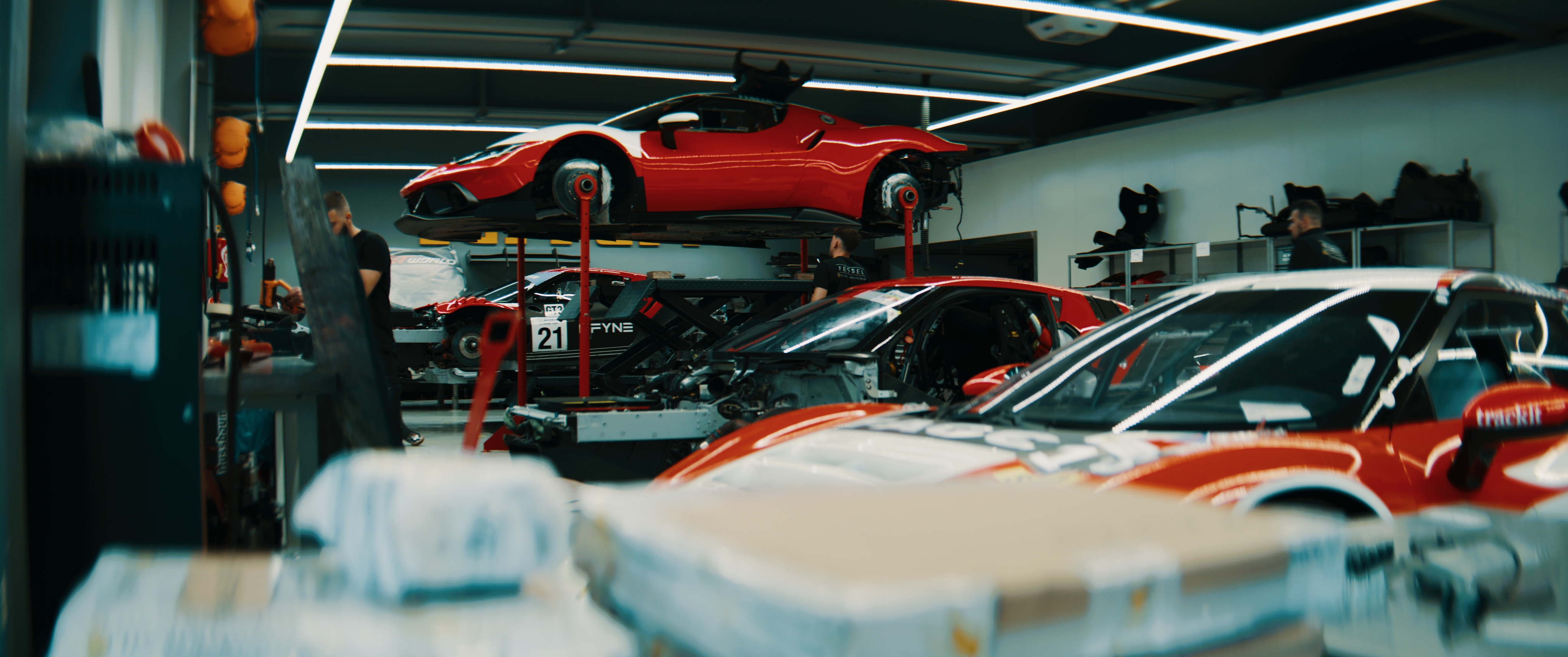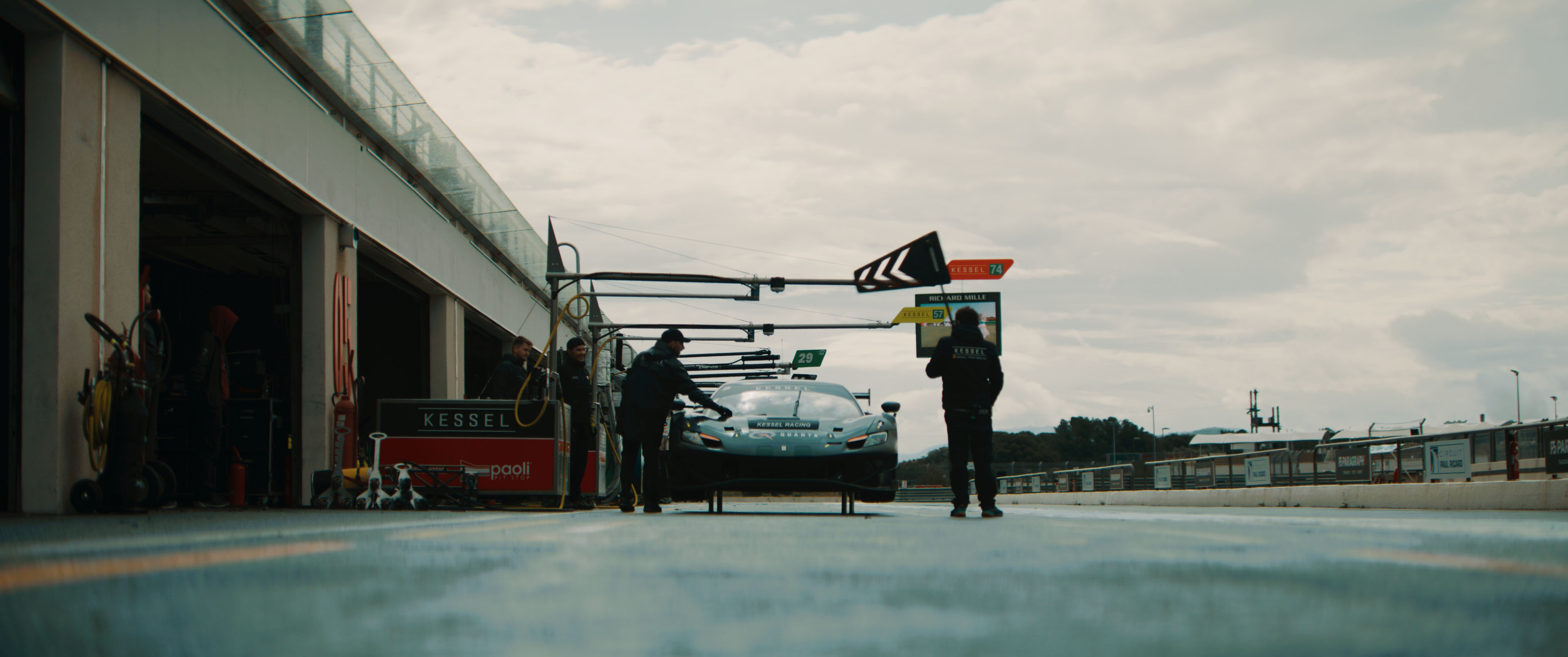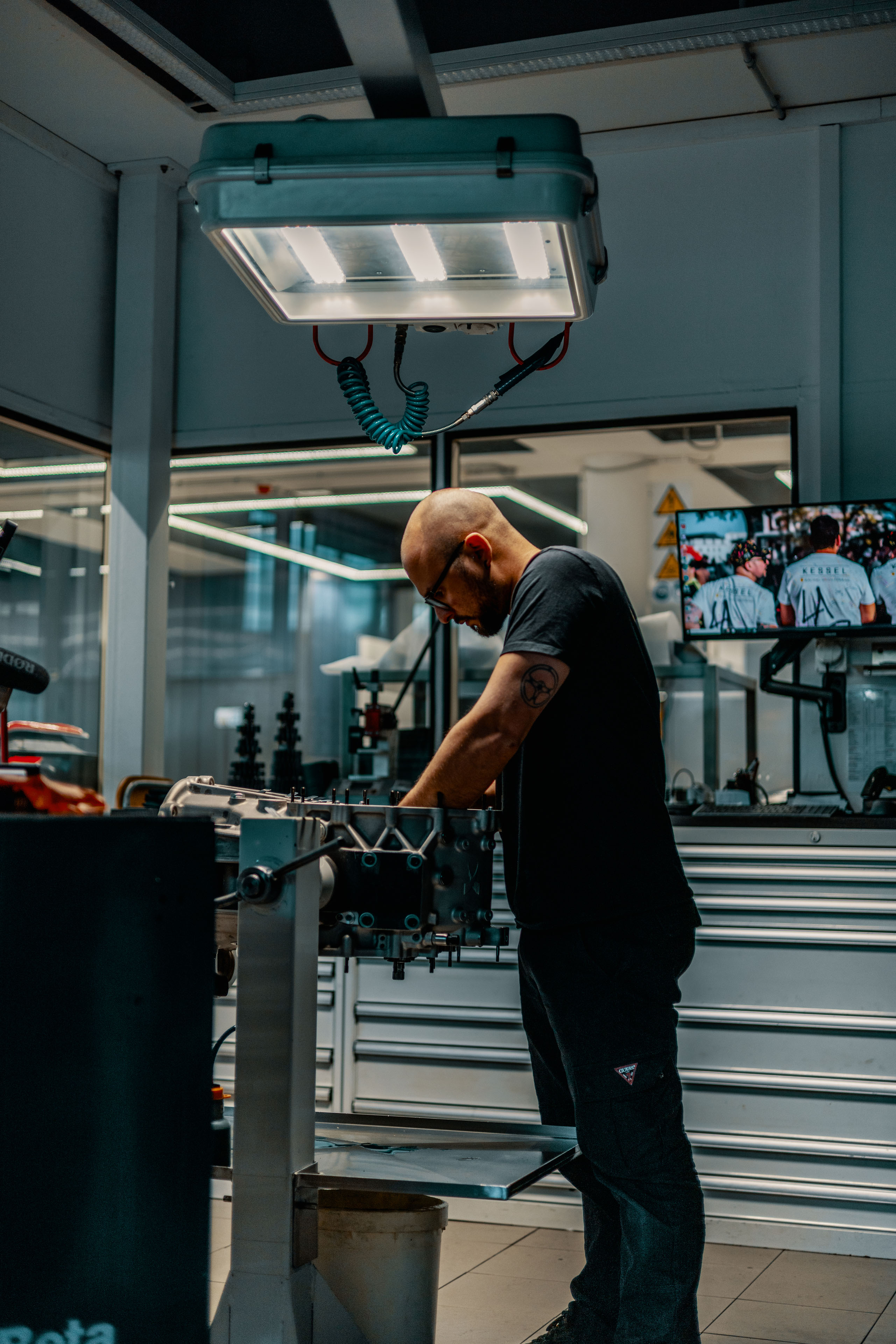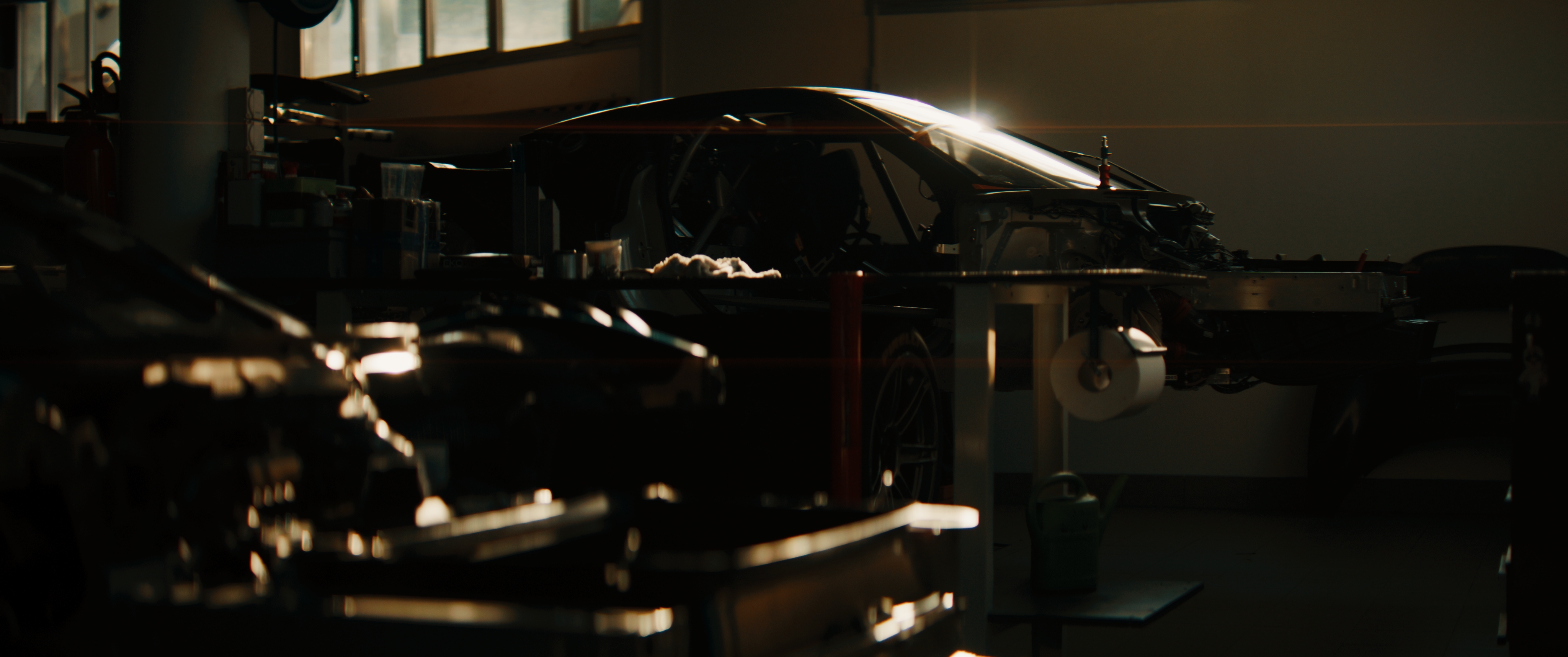

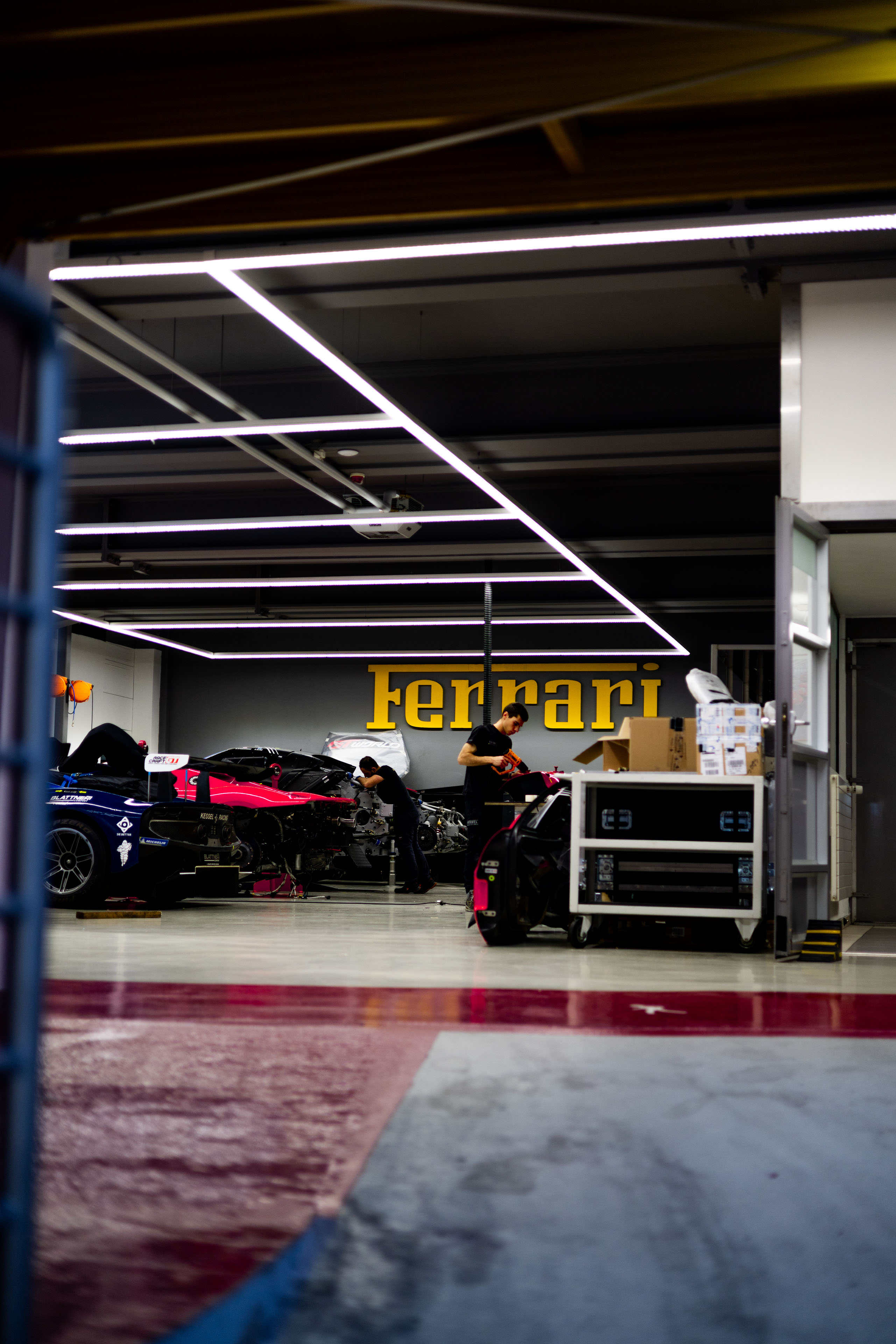
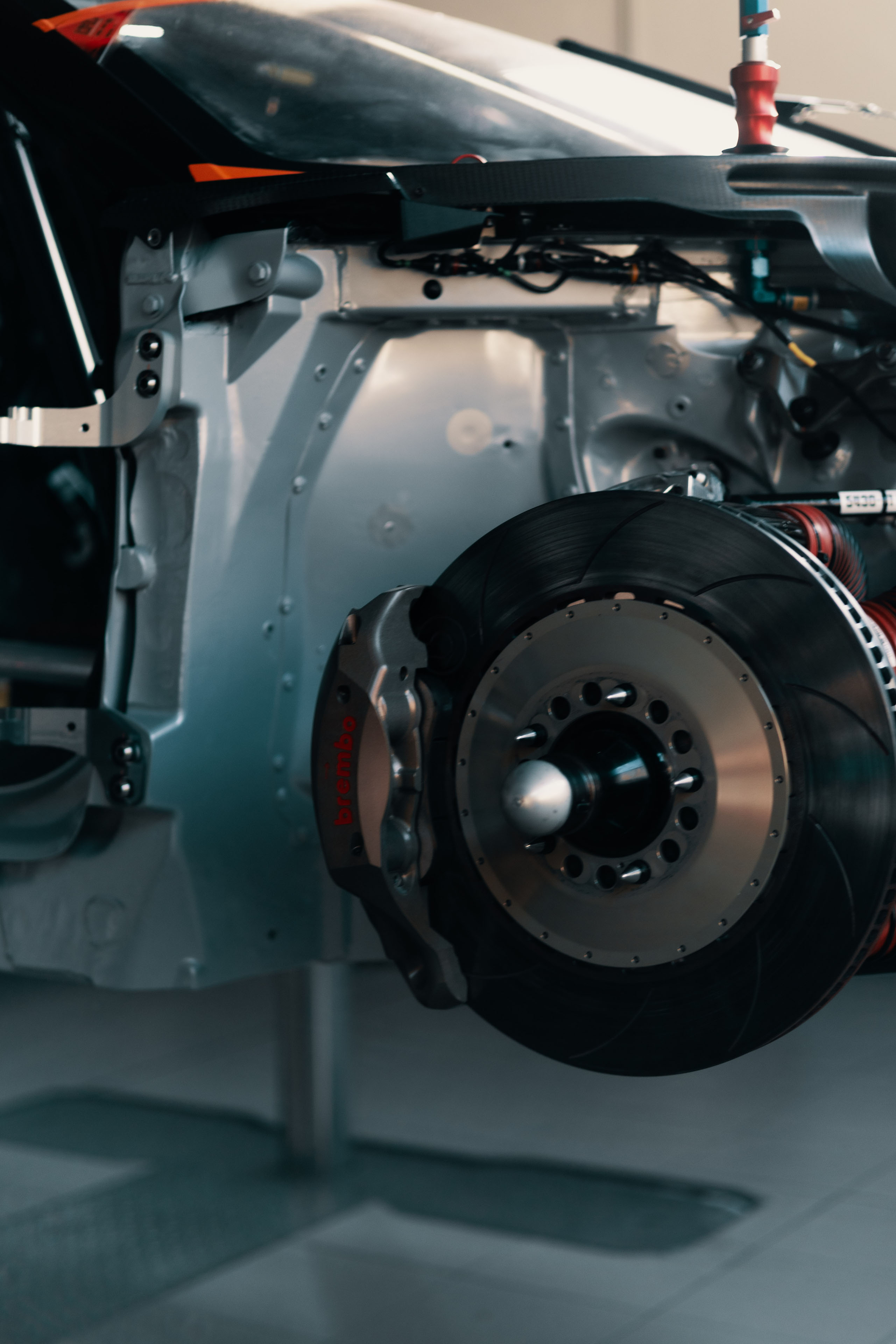
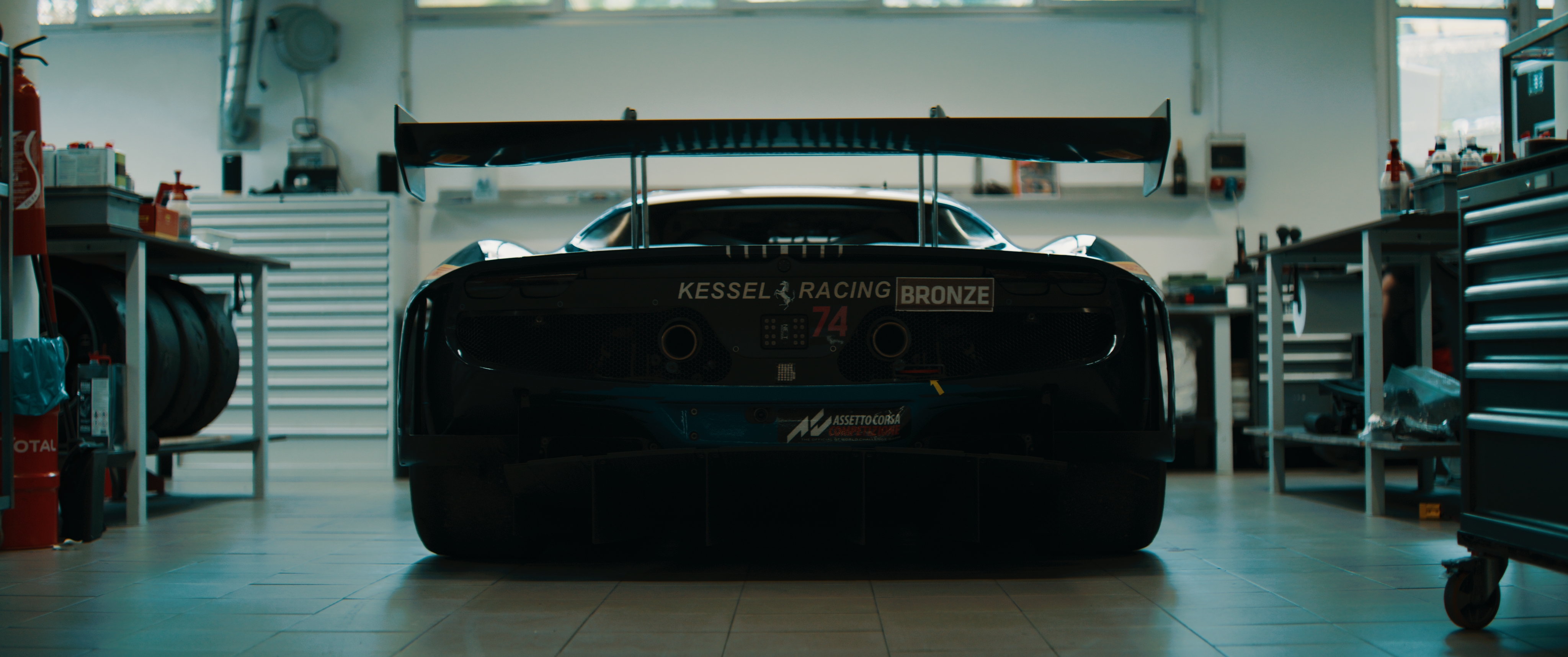
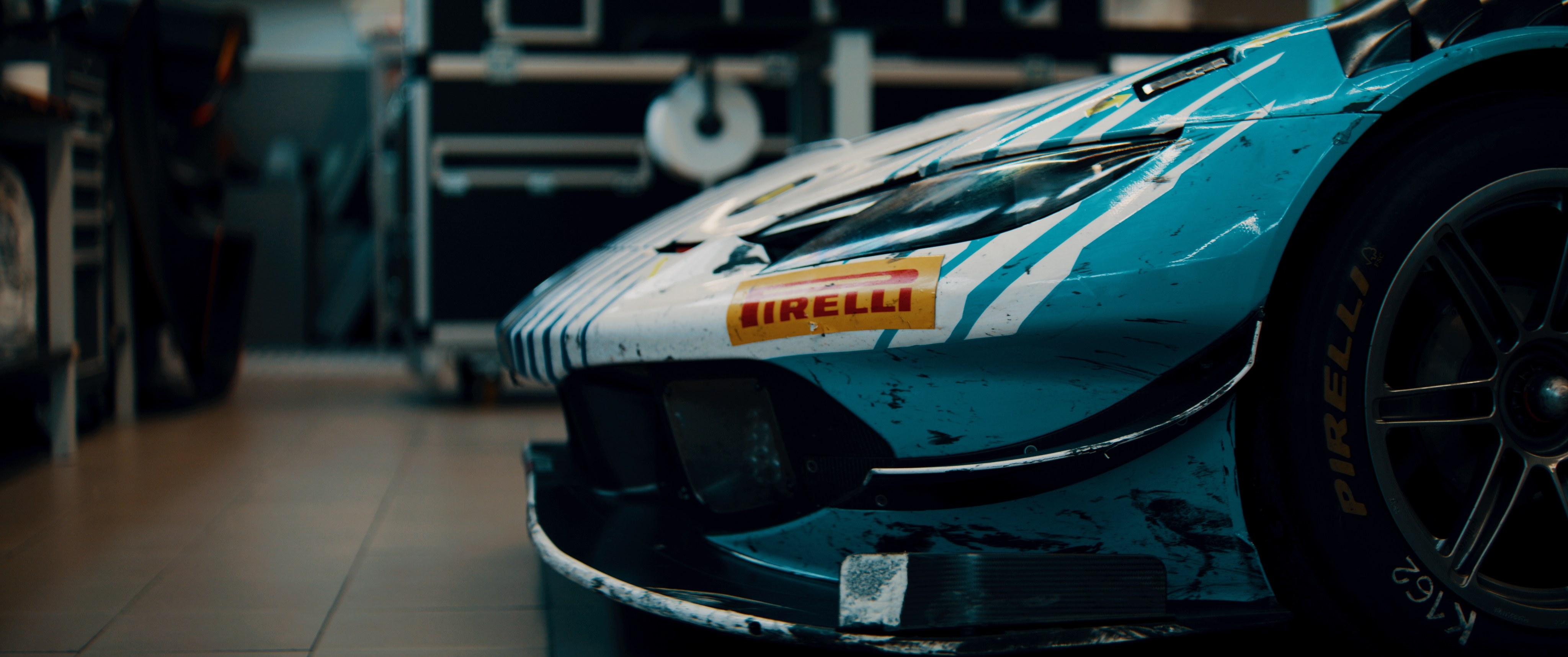
A Ferrari 296 GT3. Kessel Racing. Three drivers. The 24 Hours of Le Mans. A feature documentary about what the race demands, and what it takes.
MARSCHALL · PATRESE · BLATTNER

THE CORE QUESTION
Three first-timers at Le Mans. Three drivers who earned the right to be here. All of them came to win.
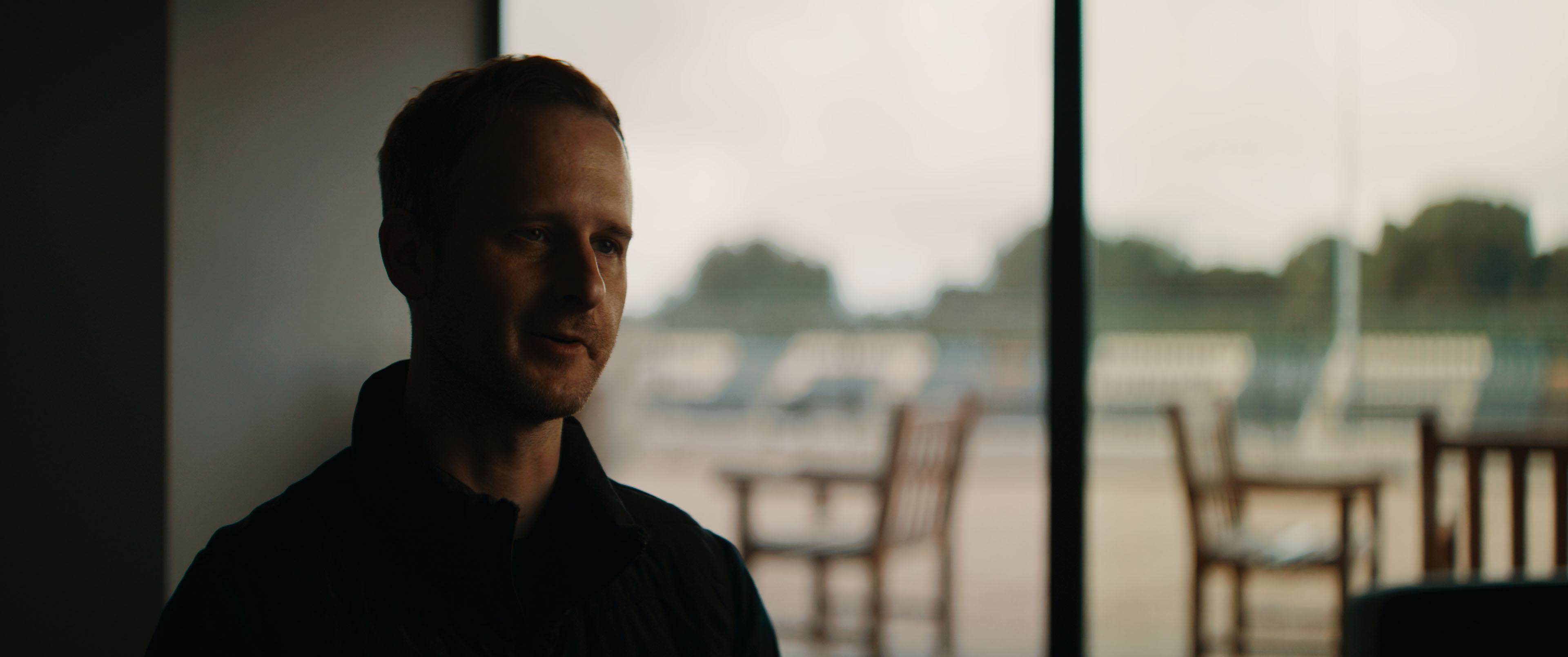
The Platinum. The spine of the lineup. Marschall brings the pace, the experience, and the composure that twenty-four hours demands. His first Le Mans, and he arrives not with caution but with intent. This is not a learning lap. This is a bid for the win.
Young, fast, and hungry. Patrese is the kind of talent that makes a car move differently on its first flying lap. His first Le Mans is not a rite of passage. It is a statement. The name on the door means nothing if the lap times don't back it up, and his do.
A Bronze driver with fewer than four years in the sport, standing on the grid at Le Mans because he won his way there. The GTWC Bronze Cup didn't just put him on the radar. It put him in this car. He arrives not wondering if he belongs. He arrives knowing exactly what it took to get here.
The film is structured around three layers of the same race, each one invisible from where the others live.
Fatigue. Fear. Doubt. Trust. Control. The internal world of a driver across twenty-four hours, a world that never appears on a timing screen, and determines everything that does.
Le Mans is long enough that the mental architecture of a driver becomes load-bearing. What holds when the car isn't right. What breaks when the lead disappears at hour nineteen. What remains in the final stint when there is nothing left to give, and the race is still not over.
Strategy. Decisions. Consequences. The race unfolding through choices made under pressure, with incomplete information, at speed.
This is the dimension that belongs to the people who see the race in numbers before it becomes visible to anyone else. A fuel load decision at hour fourteen. A tire call that costs thirty seconds or saves the race. The gap between what the data says and what the driver feels, and the judgment required to know which one to trust.
Pit stops. Tire cycles. Fuel loads. Laps completed. The cold accounting of endurance, the only record that doesn't change when the race is over.
This is the dimension that cannot be argued with. The car either finished or it didn't. The stop was either clean or it cost position. Every decision made in the pits, every wear cycle, every lap of fuel load, all of it becomes a number. The practical dimension is where everything is accounted for.
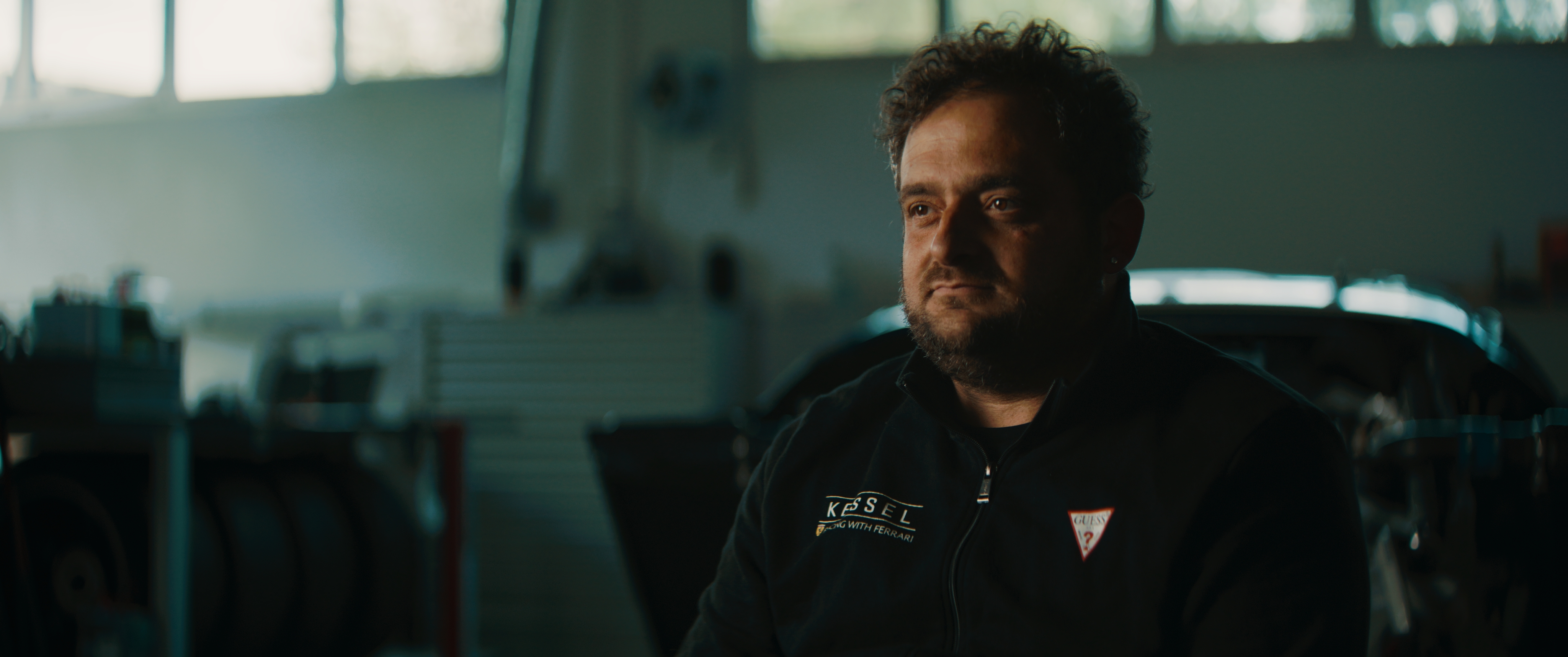
Not side characters. The people through whom each dimension of the race becomes visible.
Responsible for decisions no one can see. Data. Timing. Risk. Consequence. Measured in moments that cannot be taken back, but define everything. The race he manages is not the one visible from the pit wall.
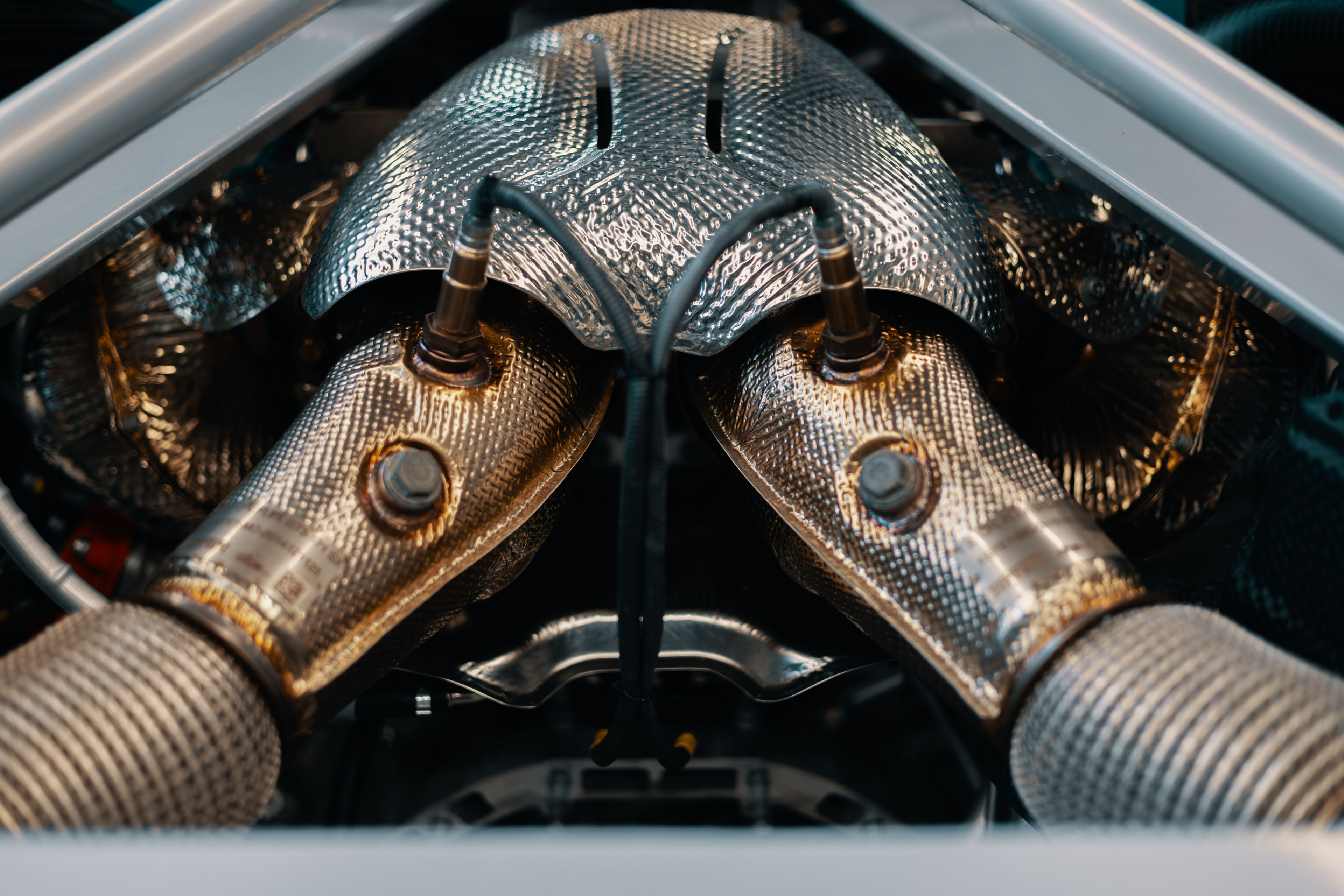
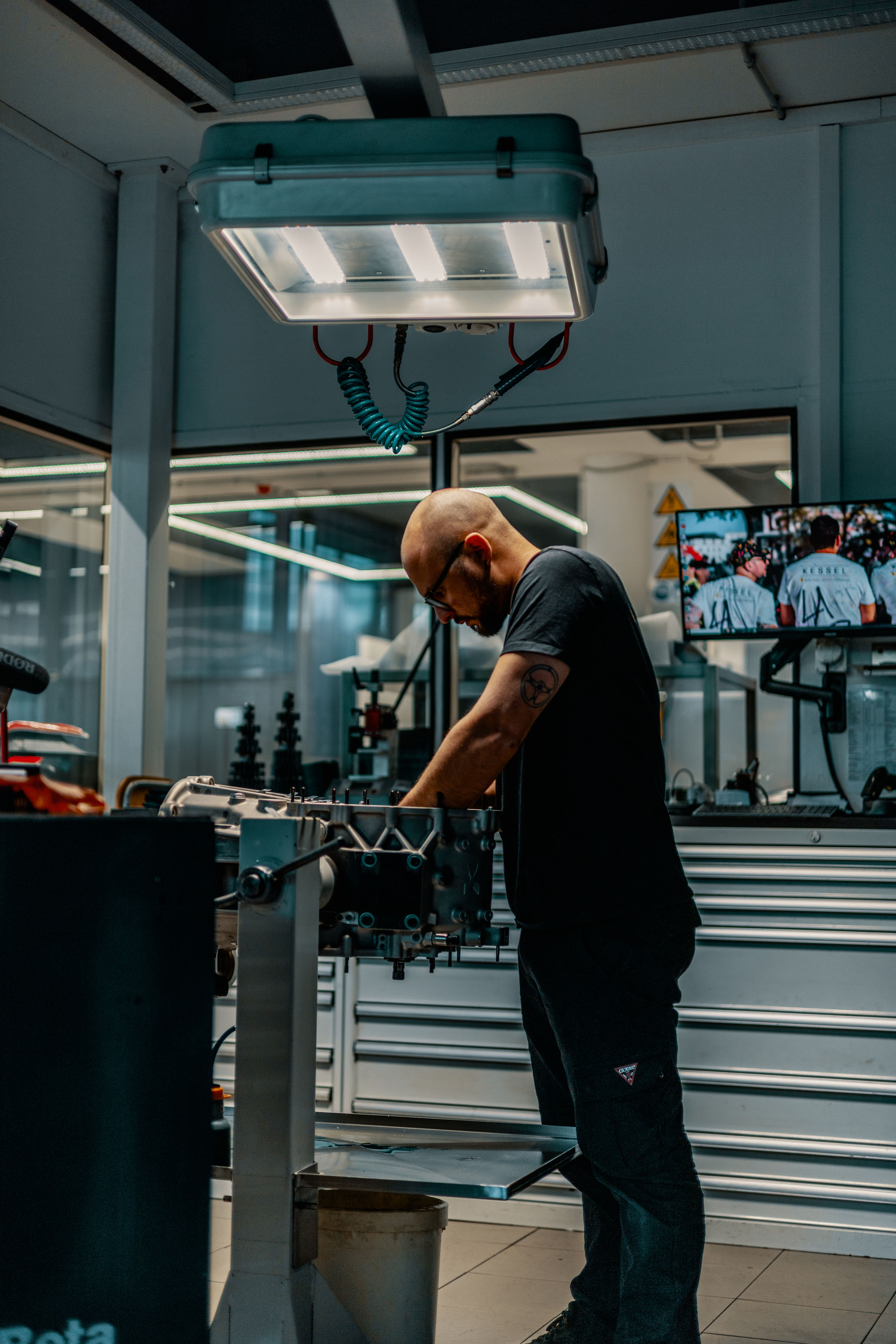
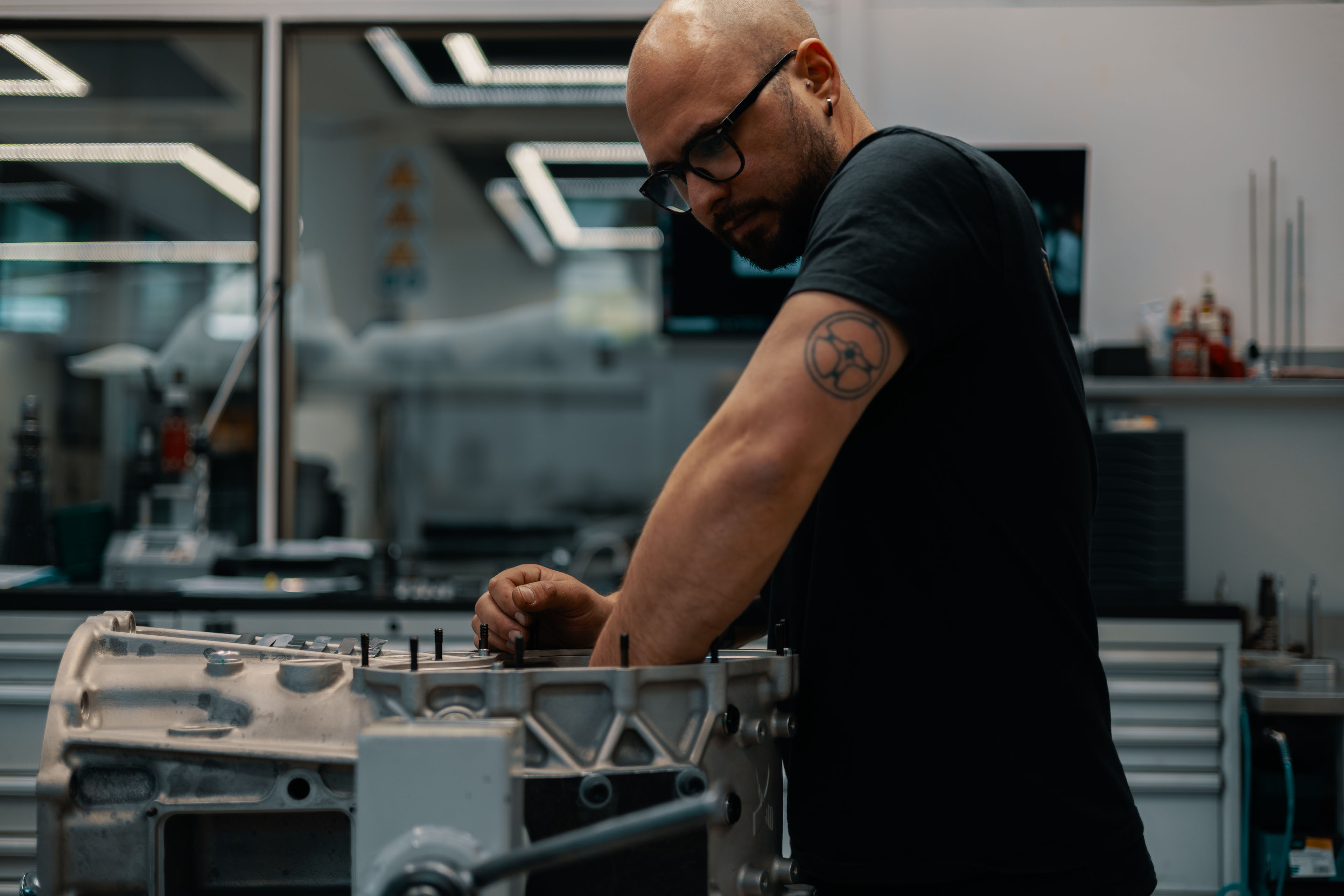
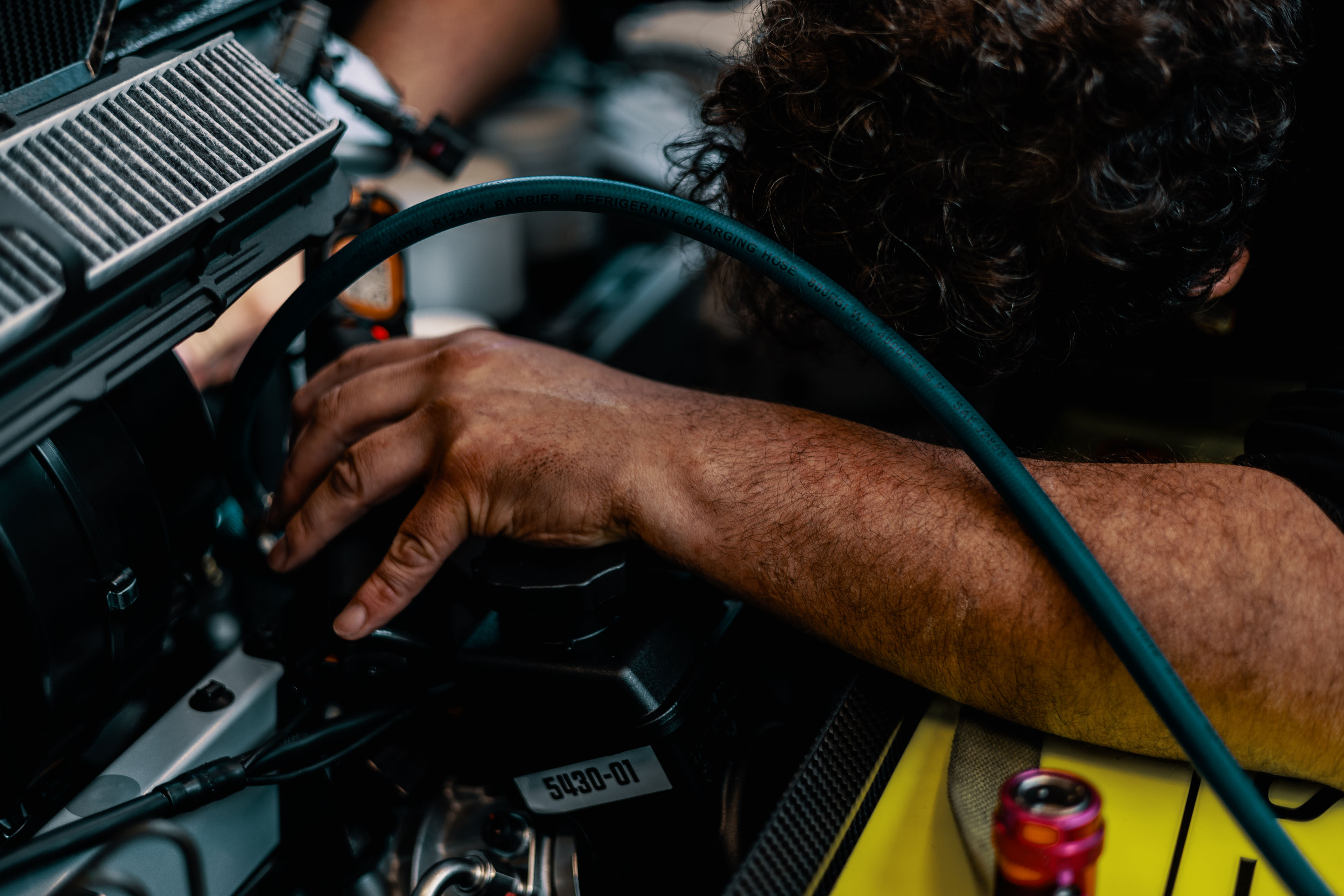
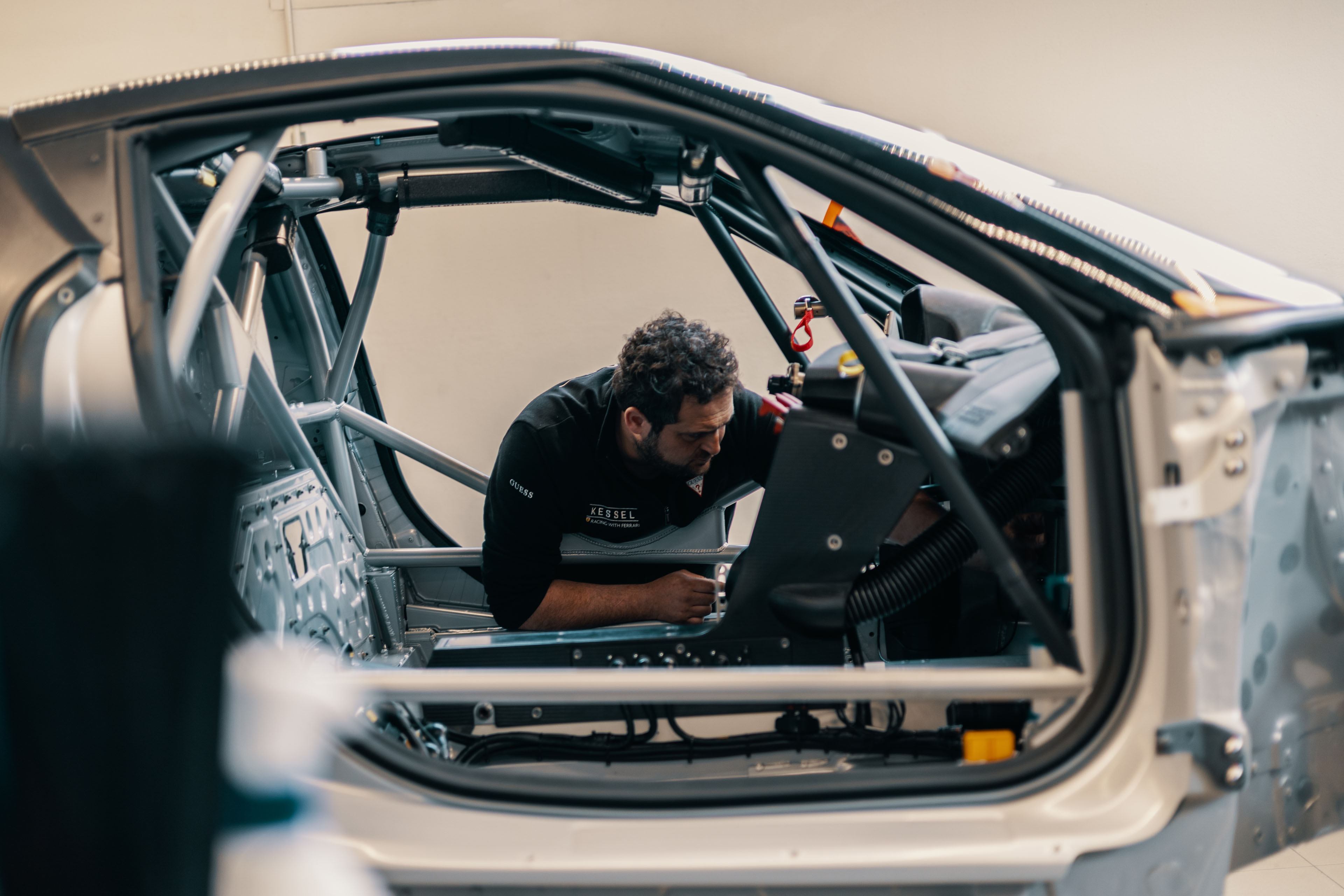
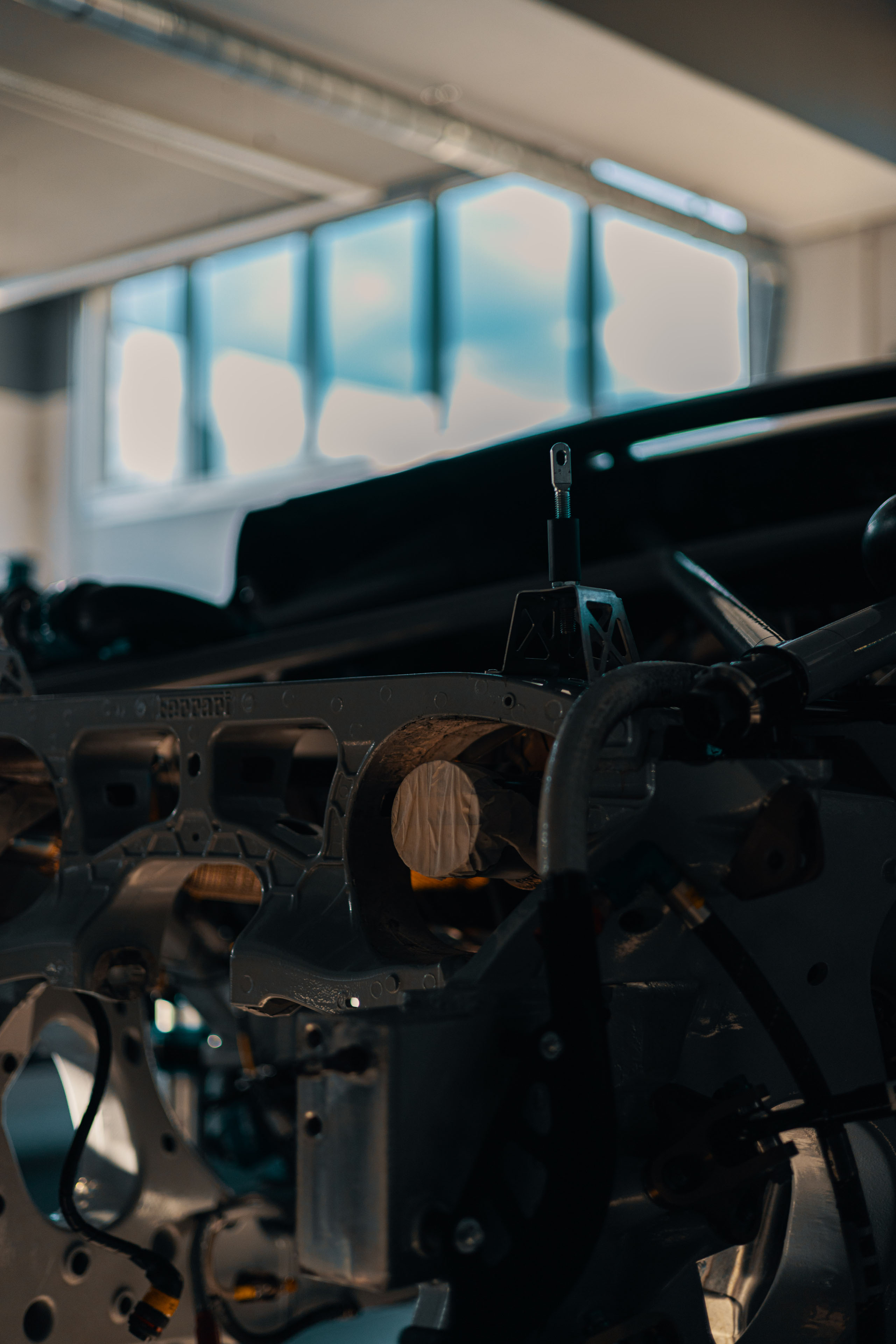
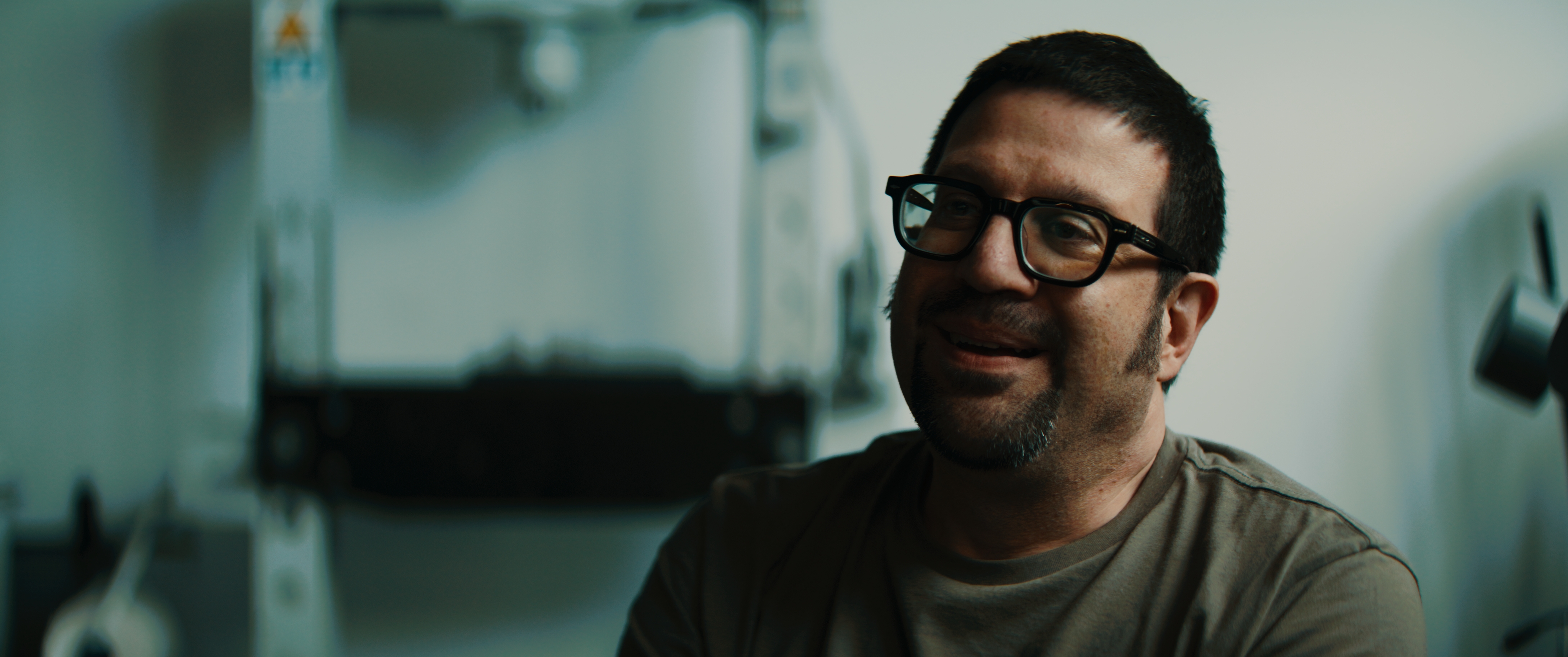
Every nut and bolt on the car. Every wire, every part. He knows this specific car from the bottom up, and what it will demand of him before Le Mans is over. The car that finishes is the one he prepared.
Responsible for the only thing touching the ground. Cycles. Wear. Pressure. Heat. Measured in margins that are almost invisible, but define everything. At Le Mans, the tire is the race.
The film does not editorialize at the finish. It places this car next to the one that won, and shows the gap. The gap between them is The Measure.






For media inquiries, festival submissions, or screening opportunities, reach out directly.
Coming SoonThe Measure will be submitted to select motorsport and documentary film festivals upon completion.
TBDNo noise. One email when it's ready.